Depreciation
What Every Thousand Miles Costs You at Resale
Hagerty measured auction results against price guide values by mileage band. The premium curve is not a straight line, and for one class of car the lowest odometer is not the best one.
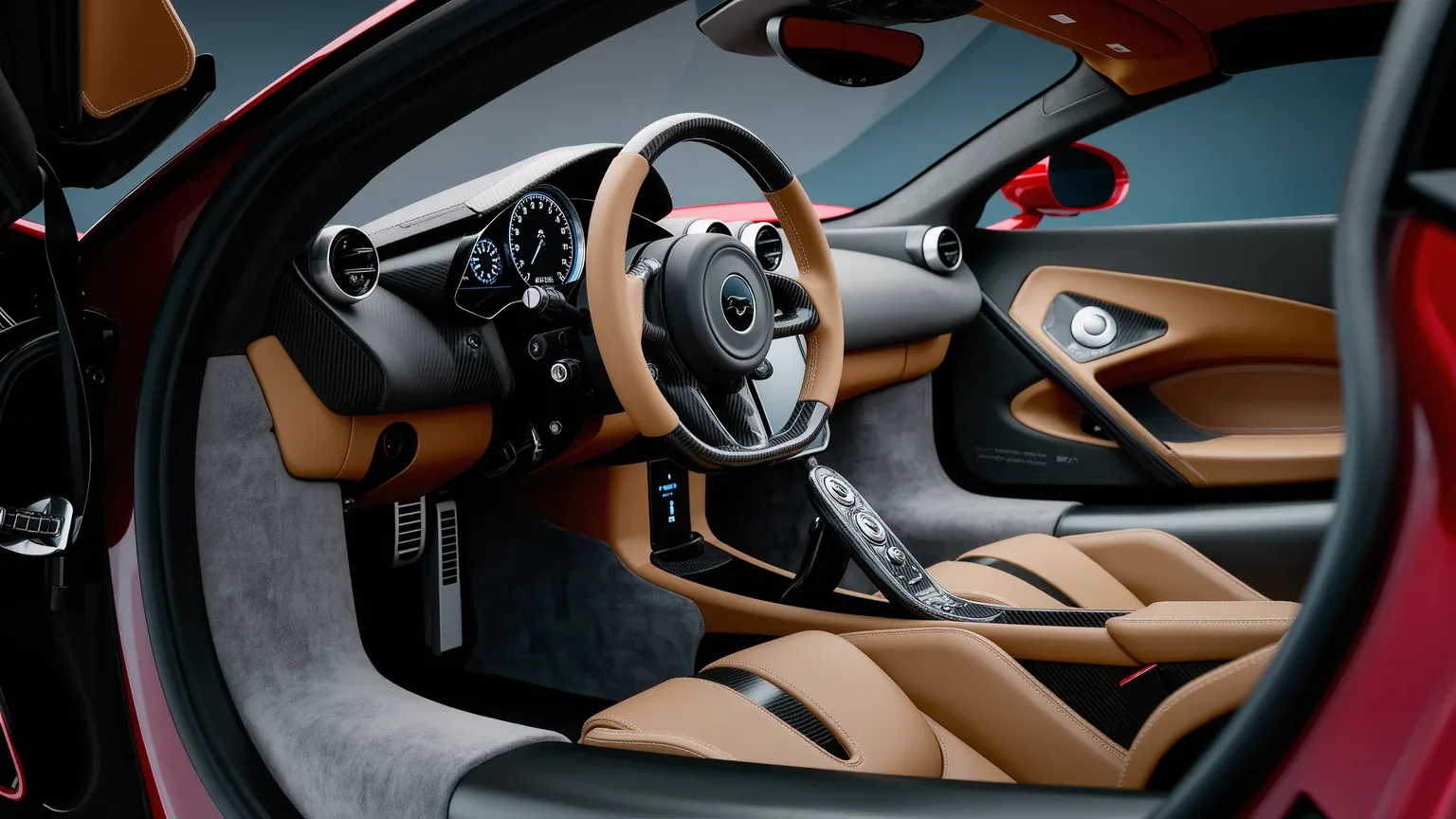
Everyone knows mileage costs money at resale. Almost nobody knows the shape of it. Hagerty compared auction results against its own condition adjusted price guide values across mileage bands and found premiums of 88 per cent at the bottom of the odometer, and a curve that does not fall evenly. For one whole class of car the lowest reading is not the most valuable one.
What was measured
The analysis, published by Hagerty in October 2017, compares hammer prices at auction against the Hagerty Price Guide value for the same car in the same condition. That control matters. It is not comparing a mint car to a tired one, it is comparing two cars the guide rates identically and asking what the odometer alone adds.
It splits cars into two groups, and the split does most of the explanatory work:
- Always Collectible. Cars that were put away when new and barely driven, the example given being the 2005 to 2006 Ford GT. Low mileage is the norm for the model.
- Collectible Now. Cars that were bought to be used and have become collectable since, the example being the manual Cadillac CTS-V wagon. Low mileage examples are the exception.
The premium by mileage band
| Odometer | Always Collectible | Collectible Now | Difference |
|---|---|---|---|
| Under 100 miles | +88 % | +48 % | 40 points |
| 100 to 1,000 miles | +67 % | +60 % | 7 points |
| 1,000 to 10,000 miles | +24 % | +48 % | 24 points the other way |
| Over 50,000 miles | falls sharply | falls | top group suffers most |
Two findings in that table are worth more than the headline.
The first is that the Collectible Now line rises before it falls. A car in that group with 100 to 1,000 miles carries 60 per cent, against 48 per cent for one with under 100. A delivery mileage example is worth 12 percentage points less than one that has been driven a little. Hagerty's own reading is that the market may treat almost no miles on a car of that kind as an accident rather than a decision, and it says plainly that the reason is not clear.
The second is how fast the top group falls. Always Collectible goes from 88 per cent under 100 miles to 24 per cent between 1,000 and 10,000. That is 64 percentage points surrendered inside 10,000 miles, and most of it inside the first few thousand.
What that works out at per mile
Take a car the guide values at 300,000 in its actual condition, in the Always Collectible group. Applying the measured premiums:
| Odometer | Premium | Expected price | Against delivery mileage |
|---|---|---|---|
| Under 100 miles | +88 % | 564,000 | reference |
| 100 to 1,000 miles | +67 % | 501,000 | 63,000 less |
| 1,000 to 10,000 miles | +24 % | 372,000 | 192,000 less |
Crossing from the first band to the third costs 192,000. If that crossing takes 5,000 miles, the average cost is 38.40 per mile. It is not evenly spread: the first band boundary arrives at 100 miles and takes 63,000 with it, which is 630 per mile across a distance most owners would call moving the car between garages.
These per mile figures are illustrations of the published bands, not a measured rate. The bands are the evidence. The division is arithmetic performed on them, and it is included because the bands on their own understate how brutal the first thousand miles are.
How far this carries to a modern supercar
Carefully, and not all the way. The Hagerty banding is drawn from the collector market at auction and dates from 2017. A current production supercar is not in that market yet, and its depreciation is governed by the ordinary curve: about 6 per cent in year one and 20 per cent by year three on the modern supercar average.
What does carry is the structure of the discount. A car that was expected to be driven is punished less for having been driven, and a car whose entire premise is preservation is punished more. Owners routinely apply the wrong group's rules to their own car and then find the market disagrees, in one direction or the other, by tens of percentage points.
Questions readers ask
How much does mileage reduce a supercar's value?
In the Hagerty auction analysis the premium over condition adjusted guide value falls from 88 per cent under 100 miles to 67 per cent at 100 to 1,000 miles and 24 per cent at 1,000 to 10,000 for cars that were always collectable. After 50,000 miles the premium thins out sharply.
Is delivery mileage always worth the most?
No, and this is the study's most useful finding. For cars that were bought to be driven and became collectable later, examples with 100 to 1,000 miles carried a 60 per cent premium against 48 per cent for those under 100 miles, a gap of 12 percentage points in favour of the car that has been used.
Why would a market prefer a car with some miles on it?
Hagerty states that the exact reason is unclear and offers one reading: on a car that was meant to be driven, almost no mileage may look like an accident of circumstance, while on a car that was always put away it looks intentional. The data shows the effect, not the cause.
What does a single mile cost?
On a car with a 300,000 guide value in the top group, crossing from under 100 miles to the 1,000 to 10,000 band costs about 192,000, which averages 38.40 per mile over 5,000 miles. The first 100 miles alone account for about 63,000 of it. Those are arithmetic on the published bands rather than a measured per mile rate.
Does this apply to a new supercar?
Only in structure. The analysis is from the collector auction market and was published in October 2017. A current model still follows the ordinary depreciation curve, about 6 per cent in year one and 20 per cent by year three on the modern supercar average.
Should I stop driving the car?
That decision has costs on the other side of the ledger. A car that barely moves still reaches its service intervals on the calendar, still ages its fluids and tyres, and carries its own risks. The mileage premium is real and it is not the only number in the calculation.
Sources
- Hagerty, what is the premium for a low mileage collector car, published 11 October 2017, for the mileage bands, the two collectability groups and the premium percentages against condition adjusted price guide values.
- Hagerty UK, modern supercar depreciation, published 19 May 2021, for the current model averages of about 6 per cent at one year and 20 per cent at three.