Tax and Import
Type Approval and Individual Approval for a Grey Import
A car without valid UK type approval needs an IVA test at 199 pounds, plus 55 to register. The fees are trivial. The modifications required to pass are not.
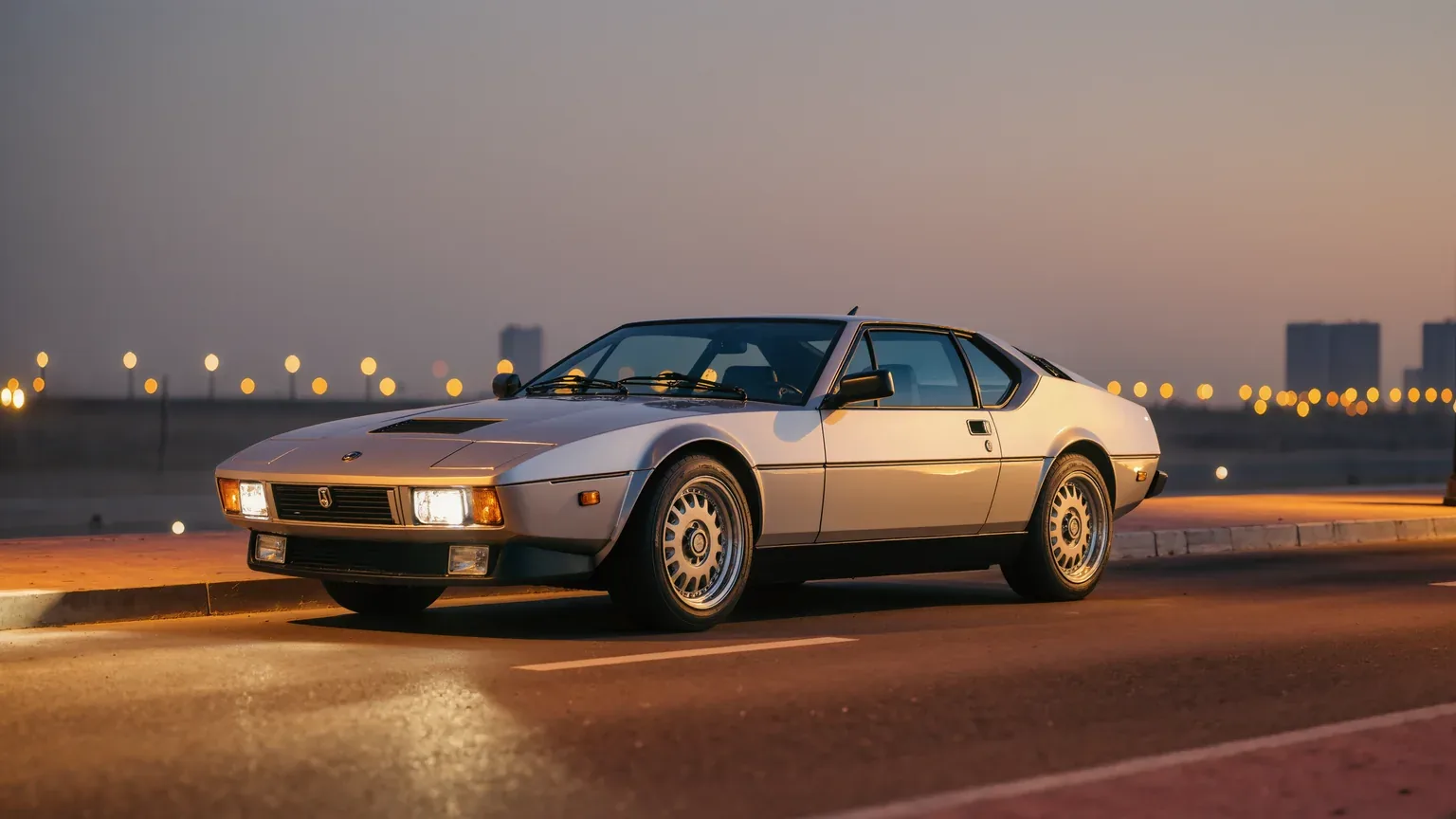
A car built for another market cannot simply be registered on arrival. Without valid UK type approval it has to pass an Individual Vehicle Approval examination, and the published fee for a car is 199 GBP, with a further 55 GBP to register afterwards. Those two numbers are the smallest part of the exercise. What passes the test is a list of physical changes to the car.
When approval is required
Anyone registering a vehicle in the United Kingdom for the first time, imported from the European Union, the United States, Japan or anywhere else, must either present valid UK type approval or go through the individual approval route. Vehicles under 10 years old from outside the EU typically need the test. Cars over 10 years old are often exempt from it, though they still have to pass a standard roadworthiness test before registration.
That age line is the most consequential number in the whole process, and it interacts with the import rules of other countries in a way worth noticing. Elsewhere the age tests open a door: the United States admits vehicles at 25 years. Here the age test removes a hurdle at 10. A car between those two figures is old enough to skip approval in one market and far too young to enter the other.
What actually has to change
The examination is a safety and construction check against domestic standards, and a car built for another market almost always fails some of them as delivered. The changes cited most often are:
- The speedometer, which has to read in miles per hour.
- A rear fog light, which is a legal requirement domestically and frequently absent on cars built for other markets.
- Headlight dip, which has to be set for driving on the left rather than the right.
On an ordinary car these are routine. On a supercar they are not, for reasons that have nothing to do with difficulty and everything to do with what the parts are. A digital instrument cluster may need software rather than a gauge swap, lighting units are frequently sealed assemblies rather than serviceable ones, and any modification to either has to survive the resale conversation afterwards.
The real cost structure
| Line | Cost | Known |
|---|---|---|
| IVA test fee, cars | 199 GBP | published |
| Registration fee | 55 GBP | published |
| Fees subtotal | 254 GBP | published |
| Test fee, other test types | 289 to 741 GBP | published, varies by test |
| Modifications to pass | car specific | not published |
| Retest after a failure | car specific | not published |
On a car worth 200,000, the published fees of 254 GBP are 0.13 per cent of its value. Anyone budgeting for an import on the strength of that figure has budgeted for the paperwork and not for the work, and the second number is the one that varies from negligible to substantial depending on the model.
The order that avoids trouble
- Establish approval status before purchase, not before shipping. Whether valid type approval exists for the exact specification is a question with a documented answer.
- Get the modification list priced by someone who has done that model, since the difference between a gauge change and a cluster reprogramme is the whole budget.
- Keep the original parts. Anything removed to pass is something a later buyer may want to see, particularly if the car ever returns to its home market.
- Complete the customs position first. Approval is a separate process from duty and import VAT, and clearing one says nothing about the other.
Questions readers ask
How do you register an imported car without EU type approval?
Through the Individual Vehicle Approval route, a type approval examination for vehicles that do not hold valid UK type approval. The published test fee for a car is 199 GBP, and registration afterwards costs 55 GBP.
Is every import tested?
No. Vehicles under 10 years old from outside the EU typically require it. Cars over 10 years old are often exempt from the approval test, although they still need to pass a standard roadworthiness test before they can be registered.
What modifications are usually needed?
Three recur on almost every import: a speedometer reading in miles per hour, a rear fog light, and headlights set to dip for driving on the left. On a modern supercar those can mean software and sealed lighting assemblies rather than simple part swaps.
What does the whole process cost?
The published fees are 254 GBP in total, which on a 200,000 car is 0.13 per cent of its value. The modifications required to pass are not published and are the part that actually varies, from negligible to substantial by model.
Does passing approval settle the import?
No. Approval and customs are separate processes. Duty and import VAT are assessed independently, and clearing one says nothing about the other.
Should I keep the original parts?
Yes. Anything removed to meet domestic requirements is something a later buyer may want, especially if the car is ever sold back into the market it was built for.
Sources
- GOV.UK, importing vehicles into the UK and getting vehicle approval, for the requirement to hold valid approval or go through the individual route before first registration.
- GOV.UK, apply for Individual Vehicle Approval for cars, for the test fees for cars and the application process.
- CarOwl, grey import cars guide, for the 10 year age threshold, the registration fee and the speedometer, rear fog light and headlight dip modifications required to pass.