Tax and Import
Annual Road Tax on the Same Car in Six Countries
The same 6,496 cm3 V12 costs 1,210 euro a year in Germany. In the United Kingdom the first year alone is 5,690 pounds. The formulas differ more than the cars do.
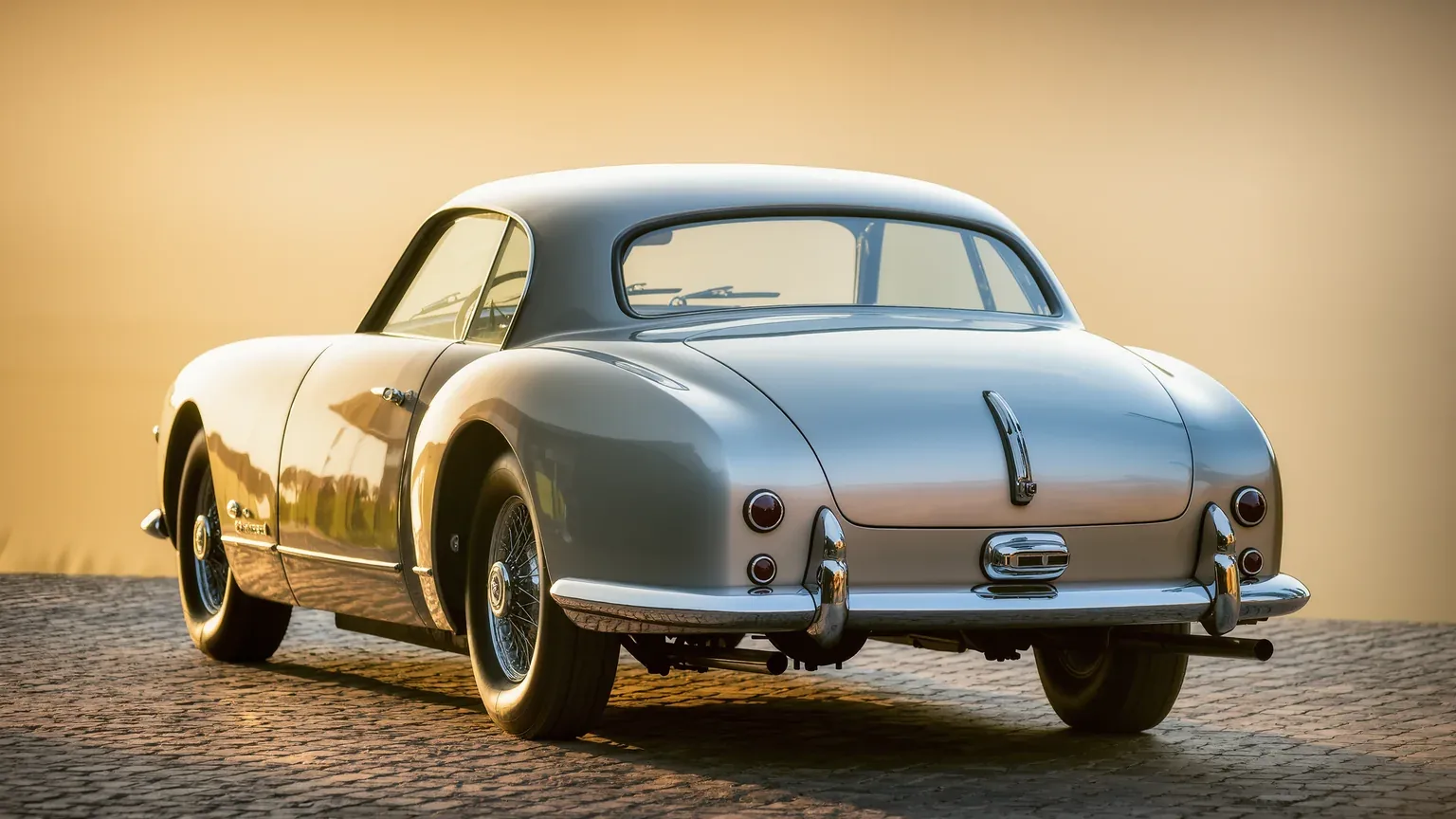
Annual vehicle taxation is the clearest example of a cost that has nothing to do with the car and everything to do with the address. A 6,496 cm3 V12 emitting 400 g/km costs 1,210.00 EUR a year under the German formula. The same class of car in the United Kingdom meets a first year rate of 5,690 GBP before settling to a standard rate plus a supplement.
Germany, where displacement still counts
Under section 9 of the KraftStG, for cars first registered from 1 January 2021, the annual tax is the sum of two parts. The displacement part is 2.00 EUR for every 100 cm3 or part thereof on a petrol engine and 9.50 EUR on a diesel. The CO2 part is charged only above 95 g/km, in six bands:
| Band | Rate | Band | Rate |
|---|---|---|---|
| over 95 up to 115 | 2.00 | over 155 up to 175 | 2.90 |
| over 115 up to 135 | 2.20 | over 175 up to 195 | 3.40 |
| over 135 up to 155 | 2.50 | over 195 | 4.00 |
Worked through on three real engine sizes, with the displacement rounded up to the next started 100 cm3:
| Engine | Displacement part | CO2 part | Annual total |
|---|---|---|---|
| 6,496 cm3 petrol, 400 g/km | 65 x 2.00 = 130.00 | 1,080.00 | 1,210.00 EUR |
| 5,204 cm3 petrol, 325 g/km | 53 x 2.00 = 106.00 | 780.00 | 886.00 EUR |
| 3,902 cm3 petrol, 300 g/km | 40 x 2.00 = 80.00 | 680.00 | 760.00 EUR |
The rounding rule is worth noticing because it is not to the nearest hundred. A 6,496 cm3 engine counts as 65 units, not 64.96, so the last 4 cm3 cost a full 2.00 EUR a year.
The United Kingdom, where the first year does the work
For cars registered from 1 April 2017, the first year rate for a car over 255 g/km is 5,690 GBP. From the second payment the standard rate is 200 GBP, and a car with a list price over 40,000 GBP carries an additional 440 GBP a year for five years from the second payment.
| Year | Rate |
|---|---|
| 1 | 5,690 |
| 2 to 6, each | 640 |
| Supplement alone, five years | 2,200 |
| Six year total | 8,890 |
Two structural differences from the German model follow from that table. The UK loads the charge at registration rather than spreading it, and it taxes price rather than engine size after the first year. A car over the 40,000 list threshold pays the same 440 supplement whether it listed at 41,000 or 410,000.
What the comparison actually shows
Over six years, the German V12 at 1,210.00 EUR a year totals 7,260.00 EUR. The UK car totals 8,890 GBP, of which 64.0 per cent falls in the first year. Those totals are close in magnitude and completely different in shape: one is level and predictable, the other front loads more than half the charge onto the buyer of a new car.
The two figures are deliberately not converted into one currency here. A conversion at an unstated rate would imply a precision that a comparison between two tax systems does not have.
Who each system charges
- The German formula charges the engine. Displacement and emissions, both attributes of the machine, and the charge continues unchanged for as long as the car exists.
- The UK formula charges the transaction. A large first year payment against emissions, then a flat standard rate and a price based supplement that ends after five years.
- For a used buyer these produce opposite outcomes. A second owner in Germany inherits the full annual charge. A second owner in the UK may inherit only the standard rate and the remainder of the supplement, having avoided the 5,690 entirely.
Questions readers ask
How much is annual road tax on a supercar?
It depends entirely on the country. Under the German formula a 6,496 cm3 petrol V12 at 400 g/km costs 1,210.00 EUR a year. In the United Kingdom the same class of car meets a 5,690 GBP first year rate, then 640 GBP a year for five years.
How is the German figure calculated?
Two parts added together. Displacement at 2.00 EUR per started 100 cm3 for petrol, and a CO2 part charged only above 95 g/km in six bands from 2.00 to 4.00 EUR per gram. A 6,496 cm3 engine counts as 65 units, giving 130.00 EUR, plus 1,080.00 EUR of CO2 charge.
Why is the UK first year so high?
Because the system front loads emissions charging onto the first registration. At over 255 g/km that is 5,690 GBP, which is 64.0 per cent of the whole six year total of 8,890.
What is the 40,000 supplement?
An additional 440 GBP a year for five years from the second payment, on any car with a list price over 40,000 GBP. It is flat, so a car listing at 41,000 pays the same supplement as one listing at 410,000.
Does buying used change the tax?
In the United Kingdom substantially, because the second owner avoids the first year rate entirely and inherits only the standard rate and whatever remains of the supplement. In Germany it does not, because the annual charge follows the car's engine and emissions for its whole life.
Can I compare the two totals directly?
Only in shape. Six years in Germany at 1,210.00 EUR a year is 7,260.00 EUR against 8,890 GBP in the United Kingdom. Converting between them at an unstated rate would imply a precision this comparison does not have.
Sources
- Section 9 KraftStG, for the displacement rates per started 100 cm3, the 95 g/km threshold and the six CO2 bands from 2.00 to 4.00 EUR per gram.
- GOV.UK, vehicle tax rate tables, for the 5,690 GBP first year rate above 255 g/km, the 200 GBP standard rate and the 440 GBP supplement for five years on cars over 40,000 GBP list.