Running Costs
How Long a Clutch Lasts, and What Shortens It
Published life runs 40,000 to 60,000 km for a manual and 20,000 to 30,000 for an automated manual in city use. The cheaper clutch to replace is the more expensive one to run.
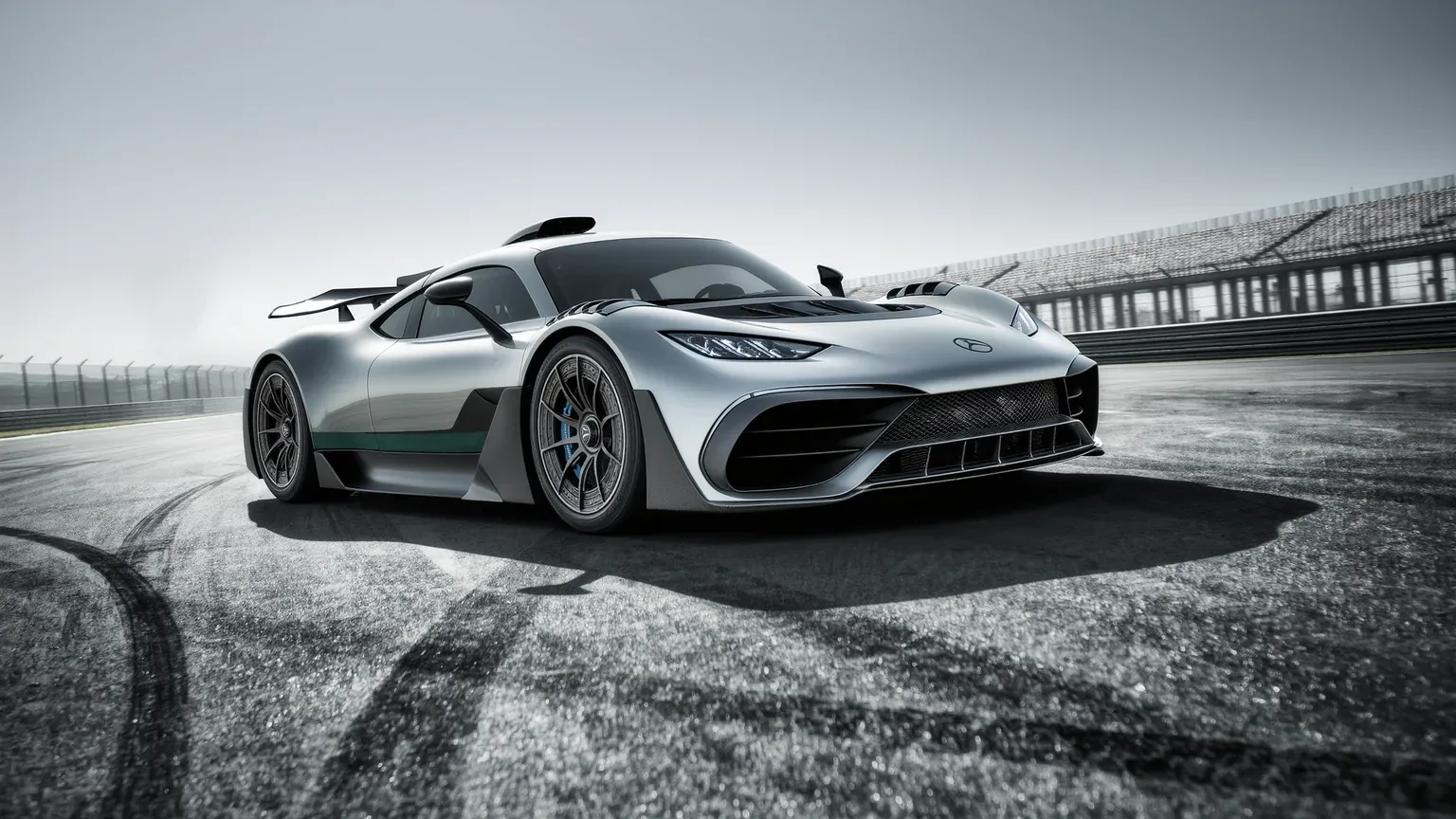
Clutch life on this class of car is decided by transmission type and by traffic, in that order. Published figures from a specialist put a manual at 40,000 to 60,000 km, an automated manual used mainly in city driving at 20,000 to 30,000, and the dual clutch units from the 458 onwards at often over 50,000. The transmission that costs least to replace is the one that reaches replacement soonest.
The three types and what decides their life
| Type | Published life | Replacement, specialist | Per 10,000 km |
|---|---|---|---|
| Manual | 40,000 to 60,000 km | 4,500 to 6,500 USD | 1,100 |
| Automated manual, city use | 20,000 to 30,000 km | 4,500 to 6,500 USD | 2,200 |
| Dual clutch, 458 and later | often over 50,000 km | 7,000 to 10,000 USD | 1,700 |
The per kilometre column is the useful one and it inverts the purchase price. A manual at the 5,500 midpoint over 50,000 km is 1,100 per 10,000 km. The same hardware in an automated manual reaching 25,000 km in traffic is 2,200. The dual clutch costs 8,500 to replace and lasts long enough to sit between them at 1,700.
Across 100,000 km of ownership that is 11,000, 22,000 and 17,000 respectively. The spread between best and worst is 11,000, which is roughly two complete manual clutches.
Why traffic is the variable that matters
The published figure for the automated manual is explicitly qualified as city driving, and the reason is mechanical rather than statistical. An automated manual operates a conventional single clutch through actuators, so every pull away is a slip event. In traffic, the number of those events per kilometre is many times higher than on an open road.
That has a consequence owners can act on. The same car driven mostly on open roads sits far closer to the manual figure than to the city one, so the distribution of use matters more than the total distance. Two identical cars at 25,000 km can be at opposite ends of their clutch life.
What shortens any of them
- Holding the car on the clutch on a hill or in a queue rather than using the brake.
- Repeated hard launches, which concentrate an unusual amount of energy into the friction surface.
- Long periods of standing, which can bond a friction plate to a flywheel on a stored car and produce a failure that has nothing to do with distance.
- Ignoring the early signs. On an automated manual, rising bite point and slow engagement are measurable at diagnosis before they are obvious from the driver's seat.
The measurement that removes the guesswork
Automated manual and dual clutch systems record clutch wear, and the reading is available at a service. That turns a replacement from a surprise into a planned item, and planning is worth real money on this job for one reason: the labour is 10 to 12 hours on a 360 or F430 and 15 to 18 on a 458 or California, so anything else behind the same access should be done at the same time.
A clutch replaced during other driveline work costs its parts and a little labour. The same clutch replaced two years later costs the entire access again, which on the published dealer figures for a 360 is 10,000 to 15,000 USD rather than the specialist's 4,500 to 6,500.
Questions readers ask
How long does a supercar clutch last?
Published specialist figures are 40,000 to 60,000 km for a manual, 20,000 to 30,000 km for an automated manual used mainly in city driving, and often over 50,000 km for dual clutch units from the 458 onwards.
Which transmission is cheapest to run?
The manual. At midpoints, 1,100 USD per 10,000 km against 2,200 for a city driven automated manual and 1,700 for a dual clutch. Across 100,000 km that is 11,000, 22,000 and 17,000.
Why does city driving halve the life?
An automated manual operates a conventional single clutch through actuators, so every pull away is a slip event. Traffic multiplies the number of those events per kilometre, which is why the published city figure is roughly half the manual one.
Does standing damage a clutch?
It can. A long period of storage can bond a friction plate to a flywheel, producing a failure that owes nothing to distance covered. It is one of the costs of a car that does not move.
Can wear be measured before it fails?
Yes on automated manual and dual clutch systems, which record clutch wear and can be read at a service. That converts an unplanned bill into a planned one, which matters because the labour alone is 10 to 18 hours depending on model.
What else should be replaced at the same time?
Anything behind the same access: release bearing, seals and the clutch position sensor. Doing them later means paying for the access again, which at dealer rates on a 360 is 10,000 to 15,000 USD against a specialist 4,500 to 6,500.
Sources
- Foreign Automotive, Ferrari clutch replacement at an independent specialist, for the published life expectations by transmission type, the labour hours by model and the specialist and dealer price ranges.
- Ferrari of Fort Lauderdale, maintenance guide, for the retailer clutch replacement range of 6,000 to 12,000 USD on older models, which brackets the specialist figures used here.