Storage and Transport
What a Battery Needs When the Car Sits
A lead acid battery loses 10 to 15 per cent a month standing. An AGM cell loses 1 to 3. Over six months that is the difference between 45 and 89 per cent remaining.
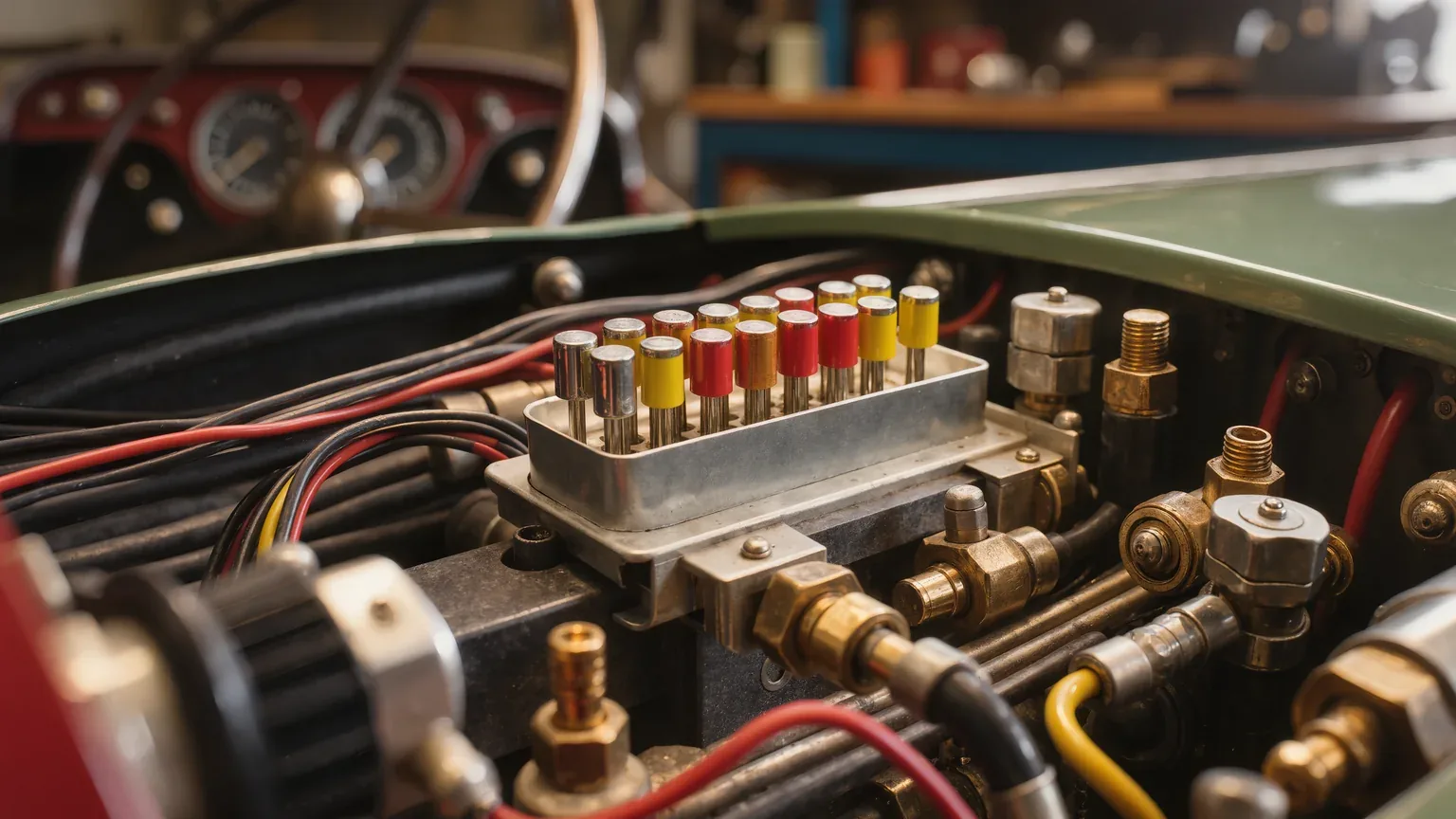
A stored car kills batteries in a way that has nothing to do with mileage. A lead acid battery self discharges at 10 to 15 per cent a month while doing nothing at all, and a typical car battery loses its charge after 1 to 2 months of disuse without maintenance. An AGM cell is far better at 1 to 3 per cent a month, which changes the whole storage arithmetic.
What each chemistry loses
Compounding the published monthly rates gives the state of charge over a period of standing, assuming nothing else is drawing current:
| Months | Lead acid at 12.5 % | AGM at 2 % | Difference |
|---|---|---|---|
| 1 | 87.5 % | 98.0 % | 10.5 points |
| 3 | 67.0 % | 94.1 % | 27.1 points |
| 6 | 44.9 % | 88.6 % | 43.7 points |
| 12 | 20.1 % | 78.5 % | 58.3 points |
Those figures use the midpoint of each published range and assume no parasitic draw. A modern car has one: alarms, tracking systems and control modules all consume current with the ignition off, so a real car reaches a low state of charge sooner than the table shows. On a car where a tracker is a condition of insurance cover, that draw is not optional.
Why a flat battery is not just a flat battery
Discharge is recoverable. Sulphation frequently is not. Lead sulphate crystals accumulate on the plates of a discharged lead acid battery, and that accumulation is described as the primary cause of battery failure. A conditioner can break those deposits down and restore capacity, and the published time for that process is up to four weeks.
The practical consequence is a sequence rather than a single event. A car left three months arrives at 67 per cent and starts. A car left twelve months arrives at 20 per cent, may not start, and the battery that comes back may not hold what it once did.
What a maintainer does and does not do
Trickle charging supplies current at a rate equal to the battery's self discharge, which holds it at full charge indefinitely. That is the whole mechanism: it is not charging the battery, it is cancelling the losses. It also prevents the lead sulphate accumulation that causes the permanent damage.
Two cautions follow from the published guidance:
- Sealed batteries are sensitive to overcharging. AGM and gel cells are sealed, which makes an intelligent maintainer with automatic cut off important rather than optional.
- A conditioner and a charger are different products. Conditioning targets existing sulphate deposits over weeks. Maintaining prevents them from forming. Buying the second does not fix a battery that needs the first.
What this means in a storage arrangement
Storage facilities charging 300 to 700 GBP a month for supercar storage commonly include condition monitoring, and battery management is the most frequently exercised part of that service. Where storage is self arranged, the same job has to be done deliberately.
- Connect a maintainer rather than planning to visit. A monthly drive is a worse solution than a permanent connection, because a short run may not replace what starting the car consumed.
- Know which chemistry is fitted. The difference between 44.9 and 88.6 per cent at six months is the difference between a car that starts and one that does not.
- Account for the parasitic draw, particularly on a car with an insurance mandated tracker drawing current the whole time.
- Treat a very flat battery as a replacement candidate, not a recharging one, since capacity lost to sulphation may not come back within four weeks of conditioning or at all.
Questions readers ask
How do you keep a car battery healthy in storage?
With a trickle charger or maintainer connected permanently. It supplies current at the same rate as the battery self discharges, holding it at full charge and preventing the lead sulphate accumulation that causes lasting damage.
How fast does a car battery go flat?
A typical car battery loses its charge after one to two months of disuse without maintenance. Lead acid self discharges at 10 to 15 per cent a month and AGM at 1 to 3, before any parasitic draw from alarms, trackers and modules.
How much difference does AGM make?
At the midpoints of the published rates, after six months a lead acid battery is at about 44.9 per cent and an AGM at 88.6, a gap of 43.7 points. After twelve months it is 20.1 against 78.5.
Is a flat battery permanently damaged?
It can be. Lead sulphate crystals accumulating on discharged plates are described as the primary cause of battery failure. A conditioner can break them down, and the published process takes up to four weeks.
Can I use any charger on a sealed battery?
No. AGM and gel batteries are sealed and more sensitive to overcharging, so an intelligent maintainer with automatic cut off matters rather than being a refinement.
Is starting the car once a month enough?
It is worse than a permanent connection. A short run may not replace the charge the start consumed, and it adds cold running to an engine rather than solving the electrical problem.
Sources
- RAC, car battery conditioners and trickle chargers, for the loss of charge after one to two months of disuse, the mechanism of trickle charging at the self discharge rate and the up to four week conditioning process for lead sulphate deposits.
- AGM battery self discharge rate, for the 10 to 15 per cent monthly rate on lead acid against 1 to 3 per cent on AGM and the sensitivity of sealed cells to overcharging.