Insurance
Why a Standard Policy Stops at the Circuit Gate
Every standard motor policy excludes circuit use, timed or not. Day cover is quoted at 1 to 3 per cent of declared value, which on a supercar is a different order of number.
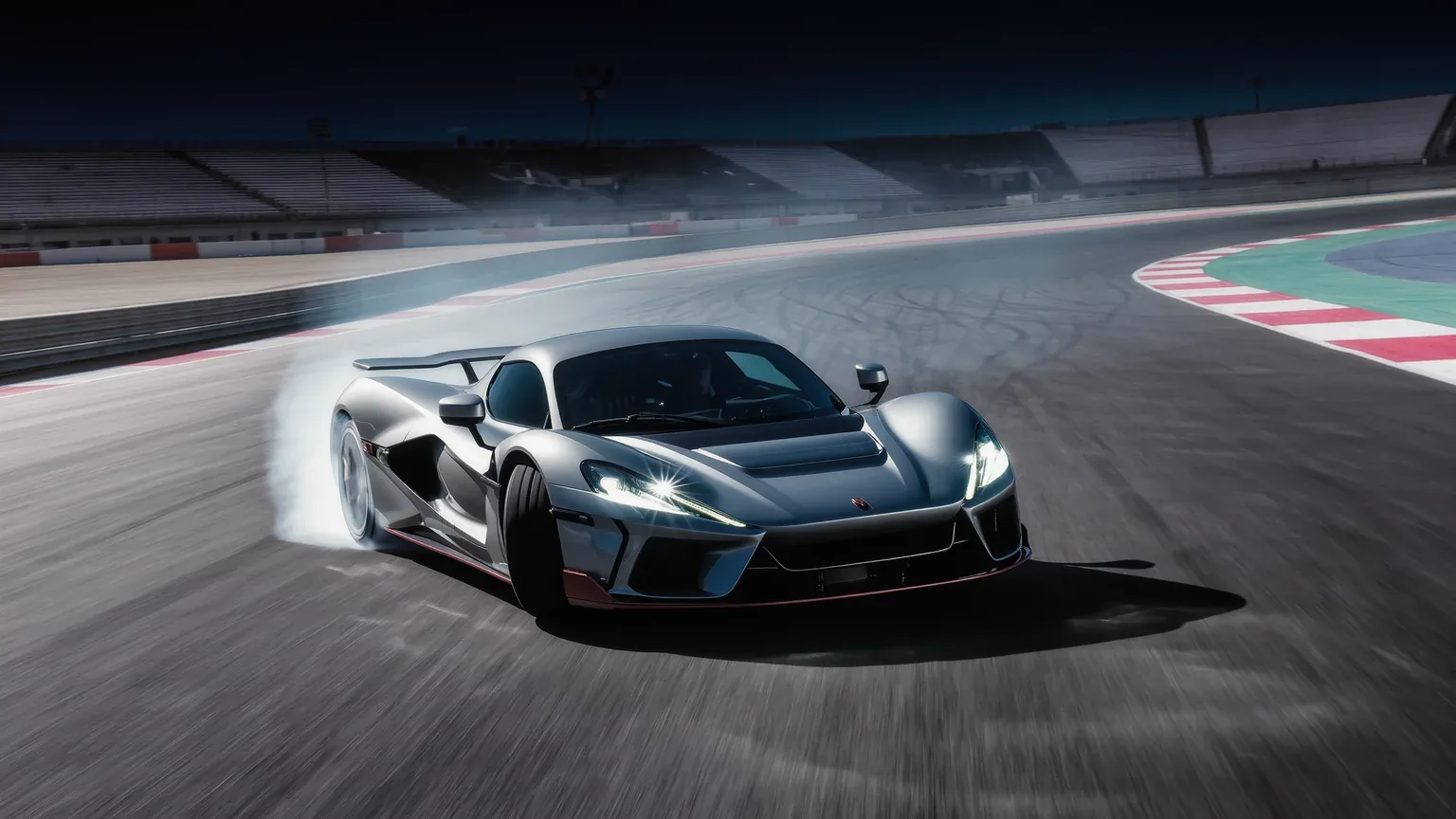
The exclusion is not a pricing decision and it cannot be bought off with a higher road premium. Standard motor policies carry a racing exclusion that applies to organised driving events on closed circuits, including non competitive ones. Day cover exists, and it is quoted in the enthusiast market at 1 to 3 per cent of declared value per day, which on a car worth 200,000 is 2,000 to 6,000 for a single day.
What the exclusion actually says
The wording is broad by design. Standard policies exclude organised driving events on closed circuits, and that includes non competitive high performance driver education days as well as timed sessions. Some insurers make an exception for structured programmes with mandatory instruction, and the published advice on that is unambiguous: it has to be confirmed in writing with the specific insurer before the event, not assumed from a category name.
Driver training is the one area where the line moves. Certified training programmes are often treated as training rather than motorsport and can fall inside ordinary cover, which is again a matter to confirm in writing rather than infer.
What day cover costs, and why the published figures disagree
| Basis | Figure | On a 200,000 car |
|---|---|---|
| Enthusiast market, per event day | 1 to 3 % of declared value | 2,000 to 6,000 |
| Worked example on a 20,000 USD car | 200 to 600 USD per day | not comparable |
| UK daily cover, ordinary cars | 40 to 200 GBP per day | value dependent |
| UK annual multi event policies | 300 to 800 GBP | value dependent |
The two sets of numbers are not describing the same cars. A percentage of declared value scales with the car, so the same 2 per cent rate is 400 on a 20,000 car and 4,000 on a 200,000 one. Quoting the flat daily figures at a supercar owner is the most common error in this subject, and it understates the cost by a factor that grows with the value of the car.
Six event days a year at 2 per cent of a 200,000 value is 24,000, which is more than most annual road premiums on the same car. That is the real decision: not whether to insure the track day, but whether the cover is worth its price against the alternative of accepting the risk.
What the day cover still will not pay for
Track day policies are narrower than road policies in a way that surprises people at the worst moment. Published summaries list these as outside cover:
- Wear and tear. A day on circuit is concentrated wear, and none of it is a claimable event.
- Mechanical breakdown. An engine that fails under sustained load has not been damaged by an incident.
- Tyre damage. The single most predictable consequence of circuit use.
- Brake fade damage. Including what follows from it.
- Timed competition. The moment an event is timed, most day policies stop.
Read together, that list means day cover is protection against a crash, not against the cost of the day. The consumables are the owner's either way, and on this class of car the consumables are the larger predictable number.
How to approach it
- Confirm the road policy position in writing for the specific event, before the event. A category name is not a confirmation.
- Price the day cover as a percentage of value, not from a flat daily figure quoted for ordinary cars.
- Compare it to the excess. Day policies carry their own excess, often a percentage of value, which changes what the premium is actually buying.
- Budget the consumables separately. Tyres and brakes are the cost of the day and no policy covers them.
Questions readers ask
Does car insurance cover track days?
No. Standard motor policies carry a racing exclusion covering organised driving events on closed circuits, including non competitive ones. Some insurers make exceptions for structured programmes with mandatory instruction, which has to be confirmed in writing before the event.
Can I pay more on my road policy to include it?
Generally not. It is an exclusion in the wording rather than a rating factor, so a higher road premium does not remove it. Cover for circuit use is bought as a separate product.
How much does track day insurance cost?
In the enthusiast market it is quoted at roughly 1 to 3 per cent of declared value per event day, so 2,000 to 6,000 on a car worth 200,000. Flat figures of 40 to 200 GBP a day describe ordinary cars and do not transfer to a supercar.
Is an annual policy cheaper?
For frequent use it can be. Published UK annual multi event policies run 300 to 800 GBP, and providers describe them as better value from around six events a year. Those figures are value dependent and are not quoted for supercars.
What does track day cover exclude?
Wear and tear, mechanical breakdown, tyre damage, brake fade damage and anything arising from timed competition. It is cover against an incident, not against the cost of running the car hard for a day.
What about driver training on a closed road?
Certified training programmes are often treated as training rather than motorsport and may fall inside ordinary cover. That is exactly the case to confirm in writing with the insurer beforehand, because the treatment varies between them.
Sources
- Heritage Track Days, track day insurance guide, for the racing exclusion covering non competitive events, the 1 to 3 per cent of declared value per day range, the worked example on a 20,000 USD car and the requirement to confirm exceptions in writing.
- WeCovr, motor insurance for track days, for the UK daily and annual policy ranges, the treatment of certified driver training and the list of exclusions covering wear, breakdown, tyres, brake fade and timed competition.